Table of Contents
Here’s the call I used to get at the shelter, more often than you’d think. A cat that has used the box faithfully for years starts peeing on the bath mat. The owner is furious, sure the cat is being spiteful, and when I ask what changed, the answer is almost always the same: “Nothing. Well, we switched litter, but it was on sale.”
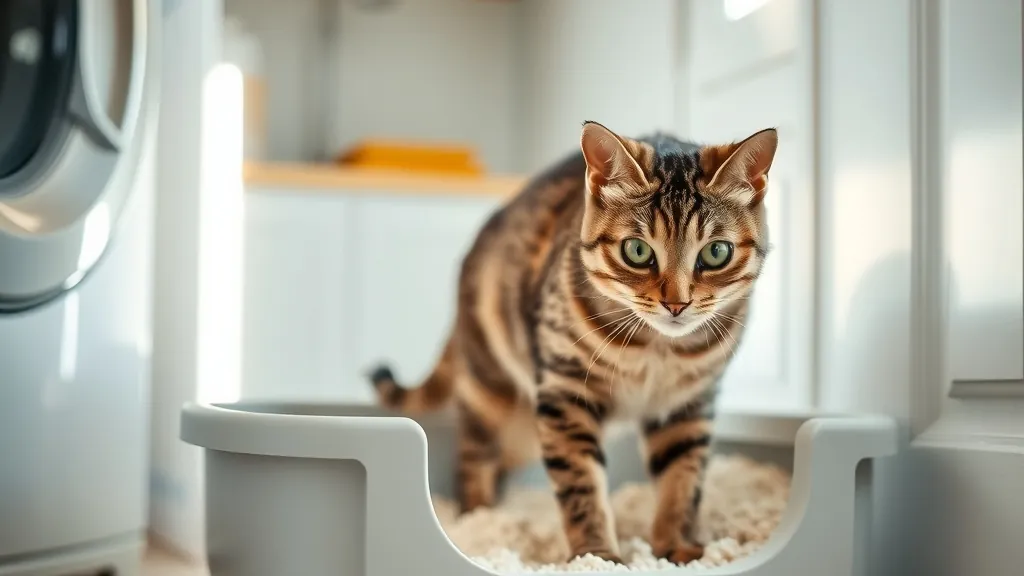
Cats don’t punish you for buying the wrong bag. They just stop using a box they don’t like, and the result looks a lot like bad behavior. That’s why I think “how to choose cat litter” is a more important question than the cheerful packaging suggests. Pick well and you never think about it again. Pick badly and you’re shampooing the rug.
This is general information, not veterinary advice. A cat that suddenly stops using the box, strains, goes often with little output, or cries while peeing needs a vet first, not a new litter. A male cat that can’t pass urine is an emergency.
The default most cats are happy with
If you want one sentence: buy a finely textured, unscented, clumping litter, and only move away from it for a specific reason.
That isn’t my personal taste. It’s how feline-focused vets summarize the AAFP and ISFM house-soiling guidelines, which are the closest thing the profession has to a rulebook on litter boxes. A Today’s Veterinary Practice summary of that guidance puts it plainly: cats prefer a fine, unscented, clumping litter, though individual cats have their own preferences.
Fine texture matters because cats dig and cover with their paws, and a soft, sand-like surface is easy on them. Unscented matters because a cat’s nose is far more sensitive than yours, and the “fresh linen” smell that makes you feel better can be the thing that pushes a cat onto the bath mat. Clumping matters because you can lift out urine as well as feces every day, so the box stays clean between full changes.
So the rest of this guide isn’t about finding a magic product. It’s about knowing when you have a good reason to leave the default, and what to pick instead.
The main types, honestly compared
| Type | What it’s good at | Where it falls down |
|---|---|---|
| Clumping clay (bentonite) | Firm clumps, fine texture most cats accept, widely sold | Heavy to carry, can be dusty, not flushable, not compostable |
| Non-clumping clay | Cheap per bag | Urine soaks in, so the whole box smells sooner and needs frequent full changes |
| Silica crystals or gel | Light, low dust, good with urine odor | Different feel underfoot, some cats refuse it, not flushable |
| Plant-based (corn, wheat, tofu, grass, walnut) | Lighter, often lower dust, made from renewable material | Clump strength and tracking vary a lot by brand, can attract pantry pests if stored badly |
| Paper pellets or shredded paper | Very low dust, soft, a common post-surgery pick | Poor odor control, pellets feel coarse to some cats, frequent changes |
| Pine or wood pellets | Natural wood smell, low dust | Coarse pellets many cats dislike, pellets break down into sawdust you have to manage |
Tofu litter has a loyal following, especially on Reddit, where owners praise its clumping and odor control. I’m happy to see it tried. Just treat it like any other switch: gradual, with the old box still available.
When to leave the default, situation by situation
Not every situation deserves the same amount of attention, so I’ve ordered these roughly by how often they cause trouble.
You’re bringing home a kitten
Kittens explore with their mouths, and a kitten that eats clumping litter in quantity risks a blockage in the gut. The advice on when it’s safe to switch varies: the Kitten Coalition says to wait until at least 4 months, while some litter makers say their product is fine from 8 weeks. I’d stay on the cautious side. Use a non-clumping litter, such as paper pellets, until about 4 months, and switch earlier only if your vet is comfortable with it and you’re not seeing the kitten eat litter. A kitten that keeps eating litter should see a vet anyway, since it can point to something else going on.
You just adopted an adult cat
Here’s where the 3-3-3 rule shelters talk about comes in: roughly 3 days to decompress, 3 weeks to learn the household routine, 3 months to feel at home. It’s a rough guide, not science, but the lesson for litter is simple. Ask the shelter what they used and buy that first. A new home is stressful enough without a strange surface in the box. Change it later, once the cat is settled, if you want to.
Your cat just had surgery
Many spay and neuter clinics tell owners to keep dust and litter particles away from a fresh incision, especially in male cats after a neuter, and suggest shredded paper or a paper pellet litter for the first days. How long varies: I’ve seen clinic instructions say a couple of days, others at least a week, and some allow regular litter for females right away. Follow your own clinic’s discharge sheet. If your cat hasn’t used the box within 24 hours of coming home, or is straining, call them.
Someone in the house has asthma, or the cat does
Dust is the deciding factor here. Clumping clay varies widely between brands, and cheap clay is often the dustiest option in the aisle. Silica crystals, paper and many plant litters run lower. I’d rather a cat with asthma be on a low-dust litter it accepts than on the “ideal” texture that leaves a haze when you pour it. Pour slowly, close to the box, and ask your vet what they recommend for an asthmatic cat.
You use an automatic litter box
Read the manufacturer’s litter rules before you buy anything. Whisker, which makes the Litter-Robot 4, recommends clumping clay and says crystal, plant-based, non-clumping, newspaper and pellet litters don’t work in its globe. I go through that in my Litter-Robot 4 review. Other machines have their own rules, and some require proprietary refills. The litter is part of the machine’s real running cost, so factor it in before you fall for the self-cleaning video.
Your cat has a urinary history
Some owners of cats with past urinary problems use color-changing litter as an early nudge to call the vet. It isn’t a diagnosis, and readings can shift for ordinary reasons like diet. I covered the trade-offs in my PrettyLitter review. Ask your vet before you buy it for health reasons, and treat symptoms as more important than any color.
You’re on a tight budget, or you have several cats
Work out cost per day, not cost per bag. Divide the price by the number of days it actually lasts in your house. A heavy bag of clay may look cheap until you count how much you dump at each full change, and a pricey light bag may stretch further than it looks. For one premium example, PrettyLitter’s own September 2026 pricing put its non-clumping Original at about $24 a month for one cat, around $0.80 a day. Your clay figure will depend entirely on the brand and how many cats share a box, so do the math with your own receipts.
What to avoid
- Heavy fragrance. Cats generally prefer unscented litter. If odor is the problem, scoop more often or add a box rather than reaching for perfume.
- Flushing used litter, even “flushable” kinds. California requires litter sold there to carry a warning against flushing, because Toxoplasma from cat feces can survive wastewater treatment and has been linked to illness in sea otters. It can also clog pipes. Bag it and put it in the trash.
- Switching on impulse. That sale bag is the most common reason I’ve heard for a cat abandoning the box.
- Blaming the litter for a medical problem. Peeing outside the box can be the first sign of urinary disease. Rule that out before you buy a fifth brand.
How to switch without a protest
If you do switch, mix gradually. In a 2022 study of 16 adult cats moving from clumping clay to a corn-based litter, the researchers replaced the clay in steps of 25, 50, 75 and then 100 percent, two days each, over six days. The cats’ urination, digging and covering didn’t change, though they sniffed the switching boxes a lot more. The study was small and funded by a litter company, and the authors say more sensitive cats may need longer, but it’s a sensible template:
- Days 1 and 2: three parts old litter, one part new.
- Days 3 and 4: half and half.
- Days 5 and 6: one part old, three parts new.
- Day 7 on: all new, if the cat is still using the box normally.
If you have room, keep one box of the old litter available during the switch so the cat always has a familiar option.
The box matters as much as the litter
The best litter in the world won’t save a box that’s too small, dirty or in the wrong place. The same vet guidance recommends:
- Size: about 1.5 times your cat’s length from nose to base of tail, or at least 22 by 17 inches. Most standard boxes sold in stores are smaller than that. A plastic storage tub often works better.
- Number: one box per cat plus one, not all in the same spot.
- Depth: at least 3 inches of litter after each full change.
- Cleaning: scoop at least once a day, and empty, wash with mild soap and water, and refill every 2 to 4 weeks.
- Covered or open: cats are split about evenly, so let yours tell you. A hood also traps odor inside, where your cat’s nose is.
How I put this together
I based this on the AAFP and ISFM house-soiling guidelines as summarized in Today’s Veterinary Practice, the Kitten Coalition’s kitten guidance, published spay and neuter clinic discharge instructions, shelter material on the 3-3-3 rule, the 2022 litter transition study by Frayne and colleagues in Animals, and manufacturer pages for the products I’ve reviewed on this site, checked in October 2026. Nobody paid for a mention here. If PawBudget joins litter brands’ affiliate programs later, links may earn a commission, and that won’t change what I recommend. Prices and product formulas change, so check the bag and your own cart.
Verdict
Choosing cat litter is mostly about not overthinking it and not changing it without a reason. Start with fine, unscented, clumping litter in a big, clean box. Leave that default only for a real reason: a young kitten, a fresh incision, asthma, an automatic box’s rules, or a vet’s advice. When you do switch, do it slowly. And if a cat stops using the box, call the vet before you blame the bag.
Owners ask
How to pick the right cat litter?
Start with what most cats prefer, which feline vets describe as a finely textured, unscented, clumping litter, then adjust for your situation: kittens, a recent surgery, asthma in the house, an automatic box, or a budget. Change one thing at a time and watch whether your cat keeps using the box.
What is the 3-3-3 rule for cats?
It's a shelter rule of thumb for newly adopted cats: roughly 3 days to decompress, 3 weeks to learn the routine, and 3 months to feel at home. It isn't a strict timeline, but it's a good reason not to switch litter during a new cat's first few weeks. Keep whatever the shelter used until the cat has settled.
What cat litter to avoid?
Avoid heavily scented litter, since cats generally prefer unscented. Avoid clumping litter for young kittens that eat litter, and clay or dusty litter right after a neuter if your clinic tells you to use paper. Never flush litter, even if the bag says flushable.
What is the #1 recommended cat litter?
There isn't one brand that suits every cat. The closest thing to a vet consensus is a type: fine-grained, unscented clumping litter, as described in AAFP-aligned guidance. The best litter for your cat is the one it uses reliably, every time.
Is clumping or non-clumping litter better?
For most adult cats, clumping is easier to keep clean because you can remove urine as well as feces every day. Non-clumping litters like paper pellets or silica crystals have specific uses, including young kittens, post-surgery recovery, and owners who would rather do a full change on a schedule.
How often should you change cat litter completely?
Scoop at least once a day. With clumping litter, a common veterinary recommendation is to empty the box, wash it with mild soap and water, and refill every 2 to 4 weeks. Non-clumping litter usually needs fully replacing more often, so follow the bag's directions.
PawBudget may earn a commission if you buy through links here — it never changes a verdict. Not veterinary advice; ask your vet about anything health-related.